Barcode Graphics & Icons for Crafters
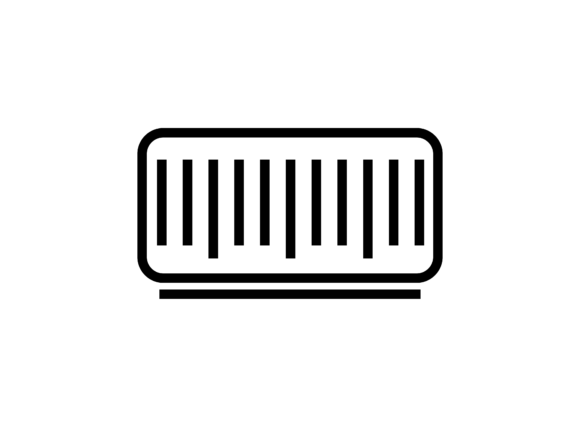
As a handmade business designer with years of experience in crafting, branding, and selling printable products, I always look for high-quality graphic design assets that can elevate my work without complicating my workflow. Barcode caught my attention immediately with its clean, professional aesthetic and versatility across multiple mediums. This e-commerce icon feels modern, polished, and adaptable—perfect for both digital and physical handmade products.
First Impressions: A Professional Touch for Handmade Brands
From the moment I opened the file, I was struck by how beautiful and meticulously designed this icon is. It has a sleek, minimalist feel that suggests professionalism and precision. This makes it ideal for small business branding, especially for crafters targeting a more sophisticated or tech-savvy audience. The design isn’t overly decorative, which means it can blend well with a variety of styles—from rustic to modern—without clashing.
It’s not cute or playful, but it’s elegant and versatile enough to fit into many different handmade product lines. Whether you’re creating seasonal items for a holiday market or designing a line of custom mugs, Barcode adds a touch of class that can appeal to a wide range of customers.
Real-World Use Cases for Cricut, Silhouette, and Printables
One of the first things I did was test Barcode in a few real crafting scenarios. As a Cricut user, I quickly realized how useful this icon is for sticker design, t-shirt design, and mug design. Its clean lines make it easy to cut with a Cricut or Silhouette machine, and the SVG file is well-structured with no unnecessary complexity.
- Sticker Design: Barcode works great as a decorative element on custom stickers, especially for tech-themed or office supplies.
- T-Shirt Design: Pair it with a bold font for a simple yet effective shirt design that stands out at a craft fair or Etsy shop.
- Mug Design: Use it as a subtle accent on mugs, tumblers, or water bottles for a professional finish.
- Tote Bags: Add it to tote bags as a stylish detail that complements other illustrations or text.
- Greeting Cards: Incorporate it into greeting cards or thank-you notes for a polished, commercial look.
This graphic design asset also shines in printable designs, such as planner pages, scrapbooking elements, or wall art. Its high-resolution PNG files ensure crisp prints, and the transparent background makes it easy to layer over other images or backgrounds.
Best Uses for Handmade Business and Creative Entrepreneurs
Barcode excels in situations where clarity and simplicity are key. Here are some of the best places to use it in your handmade business:
- Large Cut Files: Perfect for Cricut projects that require clean, bold shapes.
- Clean Printable Layouts: Ideal for creating professional-looking printables like gift tags or party favors.
- Seasonal Craft Bundles: Add it to holiday-themed bundles for a cohesive, branded look.
- Decorative Accents: Use it as a subtle detail on packaging, labels, or product mockups.
- Personalized Items: Pair it with names or dates for custom gifts or promotional items.
It also works well in design bundles and product mockups, making it a valuable addition to any creative marketplace or print-on-demand store.
Uses to Avoid or Approach with Caution
While Barcode is a strong design asset, there are some scenarios where it may not perform as well:
- Very Small Cutting Details: The lines are too thin for tiny cut files or intricate details.
- Thin Lines: If you're working with low-contrast colors, the lines may not show up clearly.
- Crowded Compositions: It doesn’t work well when placed in busy layouts with too much visual noise.
- Layered Vinyl Projects: The design may not translate well to multi-layered vinyl cuts.
- Small Sticker Sizes: It’s better suited for larger stickers rather than tiny ones.
Always test the design on different materials before finalizing your product. Check how it looks on white and dark surfaces, and make sure it scales well for various sizes.
Practical Crafter Notes for Using Barcode
Here are some tips I’ve learned from using this asset in real crafting workflows:
- Test the File: Always preview the SVG and PNG files before using them in customer orders.
- Check SVG Lines: Make sure the lines are clean and free of errors before cutting.
- Preview PNG Transparency: Confirm that the background is truly transparent for seamless integration.
- Confirm Resolution: Ensure the design is high enough for sublimation or large prints.
- Test Colors: Verify that the colors look good on both light and dark backgrounds.
- Place on Mockups: Use it in real product mockups to see how it looks in context.
- Resize for Different Products: Adjust the size to fit your specific project needs.
- Simplify Layouts: If needed, simplify the design for smaller formats or crowded spaces.
- Pick the Right Font: Pair it with serif, sans serif, script, or display fonts depending on your brand style.
- Confirm Commercial License: Always double-check the licensing terms before using it for customer orders or resale.
By following these steps, you can ensure that Barcode enhances your handmade products without causing technical issues or design conflicts.
Why Barcode Matters for Handmade Sellers and Crafters
For anyone running a small business or selling handmade products online, having access to reliable design assets is crucial. Barcode offers a professional, customizable option that fits into a wide range of projects. Whether you’re creating printable designs for an Etsy shop, preparing for a craft fair, or building a seasonal collection, this icon provides a consistent, high-quality element that elevates your work.
It’s not just a clipart or illustration—it’s a functional tool that supports your creative process and helps you deliver better results to your customers. With proper testing and smart application, Barcode can become a go-to resource for your handmade business.